• AI글쓰기 2.1 업데이트
BRONZE
BRONZE 등급의 판매자 자료

Semiconductor Device and Design - 3,

"Semiconductor Device and Design - 3,"에 대한 내용입니다.
15 페이지
파워포인트
최초등록일 2023.06.22 최종저작일 2020.06
15P 미리보기
Semiconductor Device and Design - 3,
  • 미리보기

    목차

    1. Si and Ge characteristics
    2. N Type and P Type
    3. Diode’s characteristics, Fabrication and Application
    4. Packaging process objectives, characteristics and Application

    본문내용

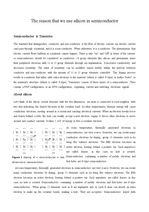
    ■ Germanuim was used as the original semiconductor material. Later, silicon became the material of choice for Ics.
    Bandgap
    〮Si(1.12eV), Ge(0.66eV)
    Operating temperature
    〮Si can be operated up to ~150℃ while Ge can be operated up to ~100 ℃.

    참고자료

    · Basic Electronics for Scientists and Engineers : Dennis L. Eggleston
    · https://www.allaboutcircuits.com/video-lectures/diode-characteristics-circuits/
    · https://www.samsungsemiconstory.com/
    · https://blog.naver.com/web2011/221366731384
  • AI와 토픽 톺아보기

    • 1. Si and Ge characteristics
      Silicon (Si) and Germanium (Ge) are two of the most important semiconductor materials used in electronic devices. Both materials have unique characteristics that make them suitable for different applications. Silicon is the most widely used semiconductor material in the electronics industry. It has a higher energy bandgap compared to Germanium, which makes it more suitable for high-power and high-temperature applications. Silicon also has a higher melting point and better mechanical properties, making it more robust and easier to fabricate. Additionally, silicon-based devices have lower leakage currents and can operate at higher frequencies, making them ideal for digital electronics and integrated circuits. Germanium, on the other hand, has a lower energy bandgap, which makes it more suitable for low-power and low-noise applications, such as in analog electronics and radio frequency (RF) circuits. Germanium-based devices also have higher electron and hole mobilities, which can lead to faster switching speeds and higher frequency operation. However, Germanium is more expensive to produce and has lower thermal stability compared to Silicon, which limits its use in certain applications. In summary, both Silicon and Germanium have their own unique characteristics and are used in different electronic applications based on their specific strengths and weaknesses. The choice between the two materials depends on the specific requirements of the electronic device being designed.
    • 2. N Type and P Type
      N-type and P-type semiconductors are fundamental concepts in the field of electronics and semiconductor technology. These two types of semiconductors are created by introducing impurities, known as dopants, into a pure semiconductor material, such as silicon or germanium. N-type semiconductors are created by doping the semiconductor material with impurities that have an excess of electrons, such as phosphorus or arsenic. This results in a material with a high concentration of free electrons, which are the majority charge carriers. N-type semiconductors are characterized by a negative charge carrier (electrons) and are commonly used in the fabrication of electronic devices, such as diodes, transistors, and integrated circuits. P-type semiconductors, on the other hand, are created by doping the semiconductor material with impurities that have a deficiency of electrons, such as boron or gallium. This results in a material with a high concentration of holes, which are the majority charge carriers. P-type semiconductors are characterized by a positive charge carrier (holes) and are also widely used in the fabrication of electronic devices, often in conjunction with N-type semiconductors to form the basic building blocks of many electronic circuits. The combination of N-type and P-type semiconductors is the foundation for the creation of the p-n junction, which is the fundamental structure of many electronic devices, including diodes, transistors, and integrated circuits. The p-n junction is responsible for the unique electrical properties and functionalities of these devices, enabling the control and manipulation of electrical signals, which is essential for the development of modern electronics and communication technologies.
    • 3. Diode's Characteristics, Fabrication and Application
      Diodes are one of the most fundamental and widely used electronic devices in the world. They are semiconductor devices that allow the flow of electric current in only one direction, making them essential components in a wide range of electronic circuits and applications. The characteristics of a diode are primarily determined by the properties of the p-n junction, which is the core structure of the device. When a diode is forward-biased, it allows the flow of current, while in the reverse-biased condition, it blocks the flow of current, exhibiting a high resistance. This unique behavior of diodes is the basis for their use in rectification, signal detection, voltage regulation, and many other applications. The fabrication of diodes involves several complex processes, including the growth of semiconductor materials, doping, and the creation of the p-n junction. Advances in semiconductor technology have led to the development of various types of diodes, such as silicon diodes, Schottky diodes, and light-emitting diodes (LEDs), each with its own unique characteristics and applications. Diodes are used in a wide range of electronic devices and circuits, including power supplies, amplifiers, switches, and logic gates. They are essential components in the design of modern electronic systems, enabling the conversion of alternating current (AC) to direct current (DC), the regulation of voltage, and the control of signal flow. The versatility and reliability of diodes have made them indispensable in the development of a vast array of electronic products, from consumer electronics to industrial and medical equipment. As technology continues to evolve, the importance of diodes in the electronics industry is only expected to grow, with ongoing research and development aimed at improving their performance, efficiency, and integration into increasingly complex electronic systems.
    • 4. Packaging process objectives, characteristics and Application
      The packaging process is a critical step in the manufacturing of electronic devices, as it plays a crucial role in protecting the semiconductor chip and enabling its integration into a functional system. The primary objectives of the packaging process are to: 1. Protect the semiconductor chip: The packaging process shields the delicate semiconductor chip from environmental factors, such as moisture, dust, and physical damage, ensuring its long-term reliability and performance. 2. Provide electrical connections: The packaging process establishes electrical connections between the semiconductor chip and the external circuitry, allowing the chip to communicate with other components and the outside world. 3. Dissipate heat: Effective heat dissipation is essential for the proper functioning of electronic devices, and the packaging process incorporates features that facilitate the efficient transfer of heat away from the semiconductor chip. 4. Enhance mechanical stability: The packaging process enhances the mechanical stability of the semiconductor chip, enabling it to withstand the stresses and strains encountered during assembly, transportation, and use. The characteristics of the packaging process vary depending on the specific requirements of the electronic device and the intended application. Some key characteristics include the package material (e.g., ceramic, plastic, or metal), the package size and form factor, the number and arrangement of electrical connections (pins or balls), and the thermal management features. The packaging process has a wide range of applications, from consumer electronics, such as smartphones and laptops, to industrial and automotive electronics, as well as aerospace and defense systems. The choice of packaging technology is often driven by factors like cost, performance, reliability, and the specific requirements of the application. As electronic devices become increasingly complex and miniaturized, the packaging process continues to evolve, with advancements in materials, design, and manufacturing techniques. These innovations are crucial for enabling the development of more powerful, efficient, and reliable electronic systems that meet the ever-growing demands of modern technology.
  • 자료후기

      Ai 리뷰
      이 문서는 반도체 소자와 설계에 대한 기본적인 내용을 체계적으로 정리하고 있으며, 각 주제에 대한 설명이 자세하고 이해하기 쉽게 작성되어 있습니다.
    • 자주묻는질문의 답변을 확인해 주세요

      해피캠퍼스 FAQ 더보기

      꼭 알아주세요

      • 자료의 정보 및 내용의 진실성에 대하여 해피캠퍼스는 보증하지 않으며, 해당 정보 및 게시물 저작권과 기타 법적 책임은 자료 등록자에게 있습니다.
        자료 및 게시물 내용의 불법적 이용, 무단 전재∙배포는 금지되어 있습니다.
        저작권침해, 명예훼손 등 분쟁 요소 발견 시 고객센터의 저작권침해 신고센터를 이용해 주시기 바랍니다.
      • 해피캠퍼스는 구매자와 판매자 모두가 만족하는 서비스가 되도록 노력하고 있으며, 아래의 4가지 자료환불 조건을 꼭 확인해주시기 바랍니다.
        파일오류 중복자료 저작권 없음 설명과 실제 내용 불일치
        파일의 다운로드가 제대로 되지 않거나 파일형식에 맞는 프로그램으로 정상 작동하지 않는 경우 다른 자료와 70% 이상 내용이 일치하는 경우 (중복임을 확인할 수 있는 근거 필요함) 인터넷의 다른 사이트, 연구기관, 학교, 서적 등의 자료를 도용한 경우 자료의 설명과 실제 자료의 내용이 일치하지 않는 경우

    찾으시던 자료가 아닌가요?

    지금 보는 자료와 연관되어 있어요!
    왼쪽 화살표
    오른쪽 화살표
    문서 초안을 생성해주는 EasyAI
    안녕하세요 해피캠퍼스의 20년의 운영 노하우를 이용하여 당신만의 초안을 만들어주는 EasyAI 입니다.
    저는 아래와 같이 작업을 도와드립니다.
    - 주제만 입력하면 AI가 방대한 정보를 재가공하여, 최적의 목차와 내용을 자동으로 만들어 드립니다.
    - 장문의 콘텐츠를 쉽고 빠르게 작성해 드립니다.
    - 스토어에서 무료 이용권를 계정별로 1회 발급 받을 수 있습니다. 지금 바로 체험해 보세요!
    이런 주제들을 입력해 보세요.
    - 유아에게 적합한 문학작품의 기준과 특성
    - 한국인의 가치관 중에서 정신적 가치관을 이루는 것들을 문화적 문법으로 정리하고, 현대한국사회에서 일어나는 사건과 사고를 비교하여 자신의 의견으로 기술하세요
    - 작별인사 독후감
    해캠 AI 챗봇과 대화하기
    챗봇으로 간편하게 상담해보세요.
    2026년 01월 13일 화요일
    AI 챗봇
    안녕하세요. 해피캠퍼스 AI 챗봇입니다. 무엇이 궁금하신가요?
    10:31 오전