• AI글쓰기 2.1 업데이트
BRONZE
BRONZE 등급의 판매자 자료

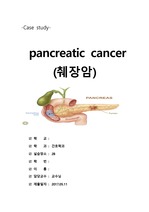
pancreatic ca / case study / 문헌고찰

"pancreatic ca / case study / 문헌고찰"에 대한 내용입니다.
37 페이지
한컴오피스
최초등록일 2023.01.27 최종저작일 2023.01
37P 미리보기
pancreatic ca / case study / 문헌고찰
  • 미리보기

    소개

    "pancreatic ca / case study / 문헌고찰"에 대한 내용입니다.

    목차

    Ⅰ. 서 론
    1. 연구의 필요성 및 목적

    Ⅱ. 본 론
    1. 문헌고찰
    1) Pancreas 구조와 기능
    2) pancreatic ca 정의
    3) pancreatic ca 원인
    4) pancreatic ca 증상
    5) pancreatic ca 진단
    6) pancreatic ca 치료
    7) 치료의 부작용
    8) 재발 및 전이
    9) 간호중재
    2. 대상자 건강사정
    3. 낙상위험환자 평가도구
    4. 대상자 사례보고서
    1) 진단검사
    2) 임상검사
    3) 투약
    4) 치료 및 처치
    5) 의미있는 자료 요약
    6) 간호진단 우선순위
    7) 간호과정 기록지

    참고문헌

    본문내용

    1) Pancreas 구조와 기능
    ● 복강의 뒤쪽에 존재함 -> 겉에서 만져지지도 않고, 개복해도 한눈에 들어오지 않음
    ● 췌장의 앞쪽에는 위, 뒤쪽에는 큰 후복벽 근육 및 신장으로 둘러 싸여 있음
    -> ‘후복막 장기’ 라고 함
    ● head, body, tail 3부분으로 나뉨(두부는 십이지장과 연결, 미부는 비장과 연결)

    2) pancreatic ca 정의
    ● Pancreas(췌장)에 생긴 암세포로 이루어진 종양덩어리
    ● 종류
    ① PancreaticDuct AdenoCarcinoma (PDAC, 췌관선암종): pancreas 의 외분비세포에서 발생, 췌장암의 약 90% 차지함.
    ② Pancreas cystadenocarcinoma (낭선암)
    ③ Endocrine tumor (내분비종양)

    ● 발생부위
    ① Head : 70% 로 가장 많음
    ② Body: 20%
    ③ tail: 10%

    3) pancreatic ca 원인
    ● 아직까지 명확하게 밝혀지지 않음.
    ● 다른 암에 비해 암 전 단계의 병변(병이 원인이 되어 일어나는 생체의 변화)이 뚜렷하지 않음.
    ● 위험요인
    ① 50세 이상 (남>여)
    ② 흡연자
    ③ 당뇨, 비만
    ④ 만성 췌장염 환자에서 ▲추세
    ⑤ 가족력 (약5-10%)

    4) pancreatic ca 증상
    ● 종양의 크기, 위치, 전이 속도에 따라 다르게 나타남
    ● 구토, 상복통, 체중감소, 황달이 가장 흔함(구토나 복부통증으로 시작-> 급격한 체중 감소)
    ● 특히, pancreatic head ca 환자의 95% 는 황달이 나타남(두부쪽의 종양 크기 증가->담즙 배설 통로인 담관 압박-> 폐쇄성 황달)
    ● Pancreatic body ca : abd pain, back pain, weight loss, fatigue 
    ● Pancreatic tail ca : 거의 무증상
    ● 지방변 , 회색변
    ● 소화불량
    ● 당뇨병 발생(기존에 당뇨 앓고 있던 사람은 당뇨병 악화)
    ● 통증 : 상복부 통증, 오른쪽 등으로 퍼지는 방사통, 칼에 베이는 듯한 통증

    참고자료

    · 가톨릭대학교 임상진료지침 외과학교실
    · 가톨릭대학교 임상진료지침 내과학교실
    · 성인간호학 제4판 3권
    · 서울대학교 암 연구센터 정보위원회
    · 최영희 외 3명, 간호진단과 간호중재
  • AI와 토픽 톺아보기

    • 1. Pancreatic Cancer
      Pancreatic cancer is a devastating disease that affects the pancreas, a vital organ responsible for producing enzymes that aid in digestion and hormones that regulate blood sugar levels. This type of cancer is particularly aggressive and often goes undetected until it has reached an advanced stage, making it one of the deadliest forms of cancer. The exact causes of pancreatic cancer are not fully understood, but risk factors include age, obesity, smoking, and a family history of the disease. Early detection is crucial, as it can significantly improve the chances of successful treatment. However, the symptoms of pancreatic cancer, such as abdominal pain, weight loss, and jaundice, are often vague and non-specific, making it challenging to diagnose in the early stages. Ongoing research is focused on developing more effective screening methods and improving treatment options, but the prognosis for pancreatic cancer remains poor, with a five-year survival rate of only around 10%. Continued efforts to raise awareness, promote early detection, and advance medical research are essential to improving outcomes for those affected by this devastating disease.
    • 2. Pancreatic Cancer Diagnosis
      Diagnosing pancreatic cancer can be a complex and challenging process, as the early symptoms are often non-specific and can be easily mistaken for other conditions. The most common diagnostic tools used for pancreatic cancer include imaging tests, such as CT scans, MRI, and endoscopic ultrasound, which can help identify the location and size of the tumor. Blood tests, such as the measurement of tumor markers like CA 19-9, can also provide valuable information, but these tests are not always reliable on their own. In some cases, a biopsy may be necessary to confirm the diagnosis and determine the type of cancer. However, obtaining a biopsy of the pancreas can be technically challenging and carries a risk of complications. Early detection is crucial, as it can significantly improve the chances of successful treatment. Unfortunately, many patients are not diagnosed until the cancer has reached an advanced stage, which greatly limits the available treatment options and reduces the chances of long-term survival. Ongoing research is focused on developing more sensitive and accurate diagnostic tools, as well as exploring new biomarkers that could aid in early detection. Improving the diagnostic process for pancreatic cancer remains a critical priority in the fight against this devastating disease.
    • 3. Pancreatic Cancer Treatment
      The treatment of pancreatic cancer is a complex and multifaceted process that often involves a combination of different approaches, including surgery, chemotherapy, radiation therapy, and targeted therapies. The specific treatment plan will depend on the stage and location of the cancer, as well as the overall health and preferences of the patient. For early-stage pancreatic cancer, surgical removal of the tumor (known as a Whipple procedure) may be an option, but this procedure is highly complex and carries significant risks. Chemotherapy and radiation therapy are often used in combination with surgery to improve outcomes, or as the primary treatment for advanced or inoperable cancers. In recent years, targeted therapies that target specific genetic mutations or molecular pathways involved in cancer growth have also been developed, offering new hope for patients with advanced disease. However, the prognosis for pancreatic cancer remains poor, with a five-year survival rate of only around 10%. Ongoing research is focused on developing more effective and less toxic treatment options, as well as exploring new combination therapies and personalized approaches to improve outcomes for patients. Improving access to high-quality, multidisciplinary care is also crucial in the fight against this devastating disease.
    • 4. Pancreatic Cancer Prognosis
      The prognosis for pancreatic cancer is generally poor, with a five-year survival rate of only around 10%. This is largely due to the aggressive nature of the disease and the fact that it is often diagnosed at a late stage, when the cancer has already spread to other parts of the body. Several factors can influence the prognosis for an individual patient, including the stage of the cancer, the location and size of the tumor, the patient's overall health, and the response to treatment. Patients with early-stage, localized pancreatic cancer who are able to undergo surgical removal of the tumor have a better prognosis, with a five-year survival rate of around 20-30%. However, the majority of patients are diagnosed with advanced or metastatic disease, for whom the prognosis is much worse, with a median survival of less than one year. Ongoing research is focused on developing more effective screening and early detection methods, as well as improving treatment options, particularly for patients with advanced disease. Advances in targeted therapies and personalized medicine may also help to improve outcomes for some patients. However, the overall prognosis for pancreatic cancer remains poor, and continued efforts are needed to address this devastating disease.
    • 5. Nursing Interventions for Pancreatic Cancer
      Nursing interventions play a crucial role in the care of patients with pancreatic cancer, as these individuals often face a complex array of physical, emotional, and practical challenges throughout their illness. Nurses are responsible for providing comprehensive, patient-centered care that addresses the unique needs of each individual. This may include managing pain and other symptoms, administering medications and treatments, providing emotional support and counseling, and coordinating care with the broader healthcare team. Nurses also play a vital role in educating patients and their families about the disease, its treatment, and the available resources and support services. Additionally, nurses may assist with advance care planning, palliative care, and end-of-life care, ensuring that the patient's wishes and preferences are respected. Given the poor prognosis associated with pancreatic cancer, nurses must also be skilled in providing compassionate, empathetic care that helps to alleviate suffering and improve the quality of life for their patients. Ongoing research and education are essential to ensure that nurses have the knowledge and skills necessary to provide the highest quality of care for individuals affected by this devastating disease.
  • 자료후기

      Ai 리뷰
      이 문서는 췌장암의 전반적인 내용을 체계적으로 다루고 있으며, 특히 간호중재에 대한 부분이 잘 기술되어 있어 임상에서 활용도가 높을 것으로 보입니다.
    • 자주묻는질문의 답변을 확인해 주세요

      해피캠퍼스 FAQ 더보기

      꼭 알아주세요

      • 자료의 정보 및 내용의 진실성에 대하여 해피캠퍼스는 보증하지 않으며, 해당 정보 및 게시물 저작권과 기타 법적 책임은 자료 등록자에게 있습니다.
        자료 및 게시물 내용의 불법적 이용, 무단 전재∙배포는 금지되어 있습니다.
        저작권침해, 명예훼손 등 분쟁 요소 발견 시 고객센터의 저작권침해 신고센터를 이용해 주시기 바랍니다.
      • 해피캠퍼스는 구매자와 판매자 모두가 만족하는 서비스가 되도록 노력하고 있으며, 아래의 4가지 자료환불 조건을 꼭 확인해주시기 바랍니다.
        파일오류 중복자료 저작권 없음 설명과 실제 내용 불일치
        파일의 다운로드가 제대로 되지 않거나 파일형식에 맞는 프로그램으로 정상 작동하지 않는 경우 다른 자료와 70% 이상 내용이 일치하는 경우 (중복임을 확인할 수 있는 근거 필요함) 인터넷의 다른 사이트, 연구기관, 학교, 서적 등의 자료를 도용한 경우 자료의 설명과 실제 자료의 내용이 일치하지 않는 경우

    찾으시던 자료가 아닌가요?

    지금 보는 자료와 연관되어 있어요!
    왼쪽 화살표
    오른쪽 화살표
    문서 초안을 생성해주는 EasyAI
    안녕하세요 해피캠퍼스의 20년의 운영 노하우를 이용하여 당신만의 초안을 만들어주는 EasyAI 입니다.
    저는 아래와 같이 작업을 도와드립니다.
    - 주제만 입력하면 AI가 방대한 정보를 재가공하여, 최적의 목차와 내용을 자동으로 만들어 드립니다.
    - 장문의 콘텐츠를 쉽고 빠르게 작성해 드립니다.
    - 스토어에서 무료 이용권를 계정별로 1회 발급 받을 수 있습니다. 지금 바로 체험해 보세요!
    이런 주제들을 입력해 보세요.
    - 유아에게 적합한 문학작품의 기준과 특성
    - 한국인의 가치관 중에서 정신적 가치관을 이루는 것들을 문화적 문법으로 정리하고, 현대한국사회에서 일어나는 사건과 사고를 비교하여 자신의 의견으로 기술하세요
    - 작별인사 독후감
    해캠 AI 챗봇과 대화하기
    챗봇으로 간편하게 상담해보세요.
    2026년 01월 13일 화요일
    AI 챗봇
    안녕하세요. 해피캠퍼스 AI 챗봇입니다. 무엇이 궁금하신가요?
    1:13 오전