• AI글쓰기 2.1 업데이트
PARTNER
검증된 파트너 제휴사 자료

『예기』에 나타난 생사관 특성 고찰 (A Study on the Perspective on Life and Death in Yegi(禮記))

한국학술지에서 제공하는 국내 최고 수준의 학술 데이터베이스를 통해 다양한 논문과 학술지 정보를 만나보세요.
44 페이지
기타파일
최초등록일 2025.05.22 최종저작일 2022.05
44P 미리보기
『예기』에 나타난 생사관 특성 고찰
  • 미리보기

    서지정보

    · 발행기관 : 서울대학교 철학사상연구소
    · 수록지 정보 : 철학사상 / 84호 / 37 ~ 80페이지
    · 저자명 : 임병식

    초록

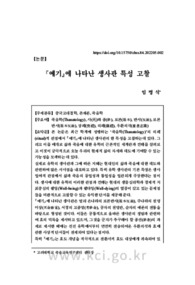
    본 논문은 최근 학계에 성행하는 ‘죽음학(Thanatology)’의 의례 (ritual)적 관점에서 『예기』에 나타난 생사관의 한 특성을 고찰하는데 있다. 그리고 이를 매개로 삶과 죽음에 대한 유학의 근본적인 세계관과 견해를 살펴보고 이것이 궁극적으로 오늘 우리의 현재적 삶의 자세와 태도에 기여할 수 있는 가능성을 모색하는 데 있다.
    실제로 유학의 생사관과 그에 따른 지혜는 현대인의 삶과 죽음에 대한 태도와 관련하여 많은 시사점을 내포하고 있다. 특히 유학 생사관의 기본 특징은 생사 일여적 관점에서 삶과 죽음의 동일성과 통일성을 일관되게 주장한다는 점이다. 생사에 대한 유학의 이러한 관점과 견해는 현대의 생물심리학과 경제적 지표중심의 웰빙(Well-being)과 웰다잉(Well-dying)의 열풍이 갖고 있는 문제점들을 비판적으로 고찰할 수 있는 유익한 단서를 제공해 준다.
    『예기』에 나타난 생사관은 멀리 은나라의 보본반시(報本反始), 주나라의 천명미상(天命靡常), 서경의 고종명(考終命), 공자의 천명관, 순자의 예론의 전통을 바탕으로 형성된 것이다. 이들은 공통적으로 올바른 생사관의 정립과 관련하여 효의 덕목을 제시하고 있으며, 그것을 군자가 추구해야 할 종신(終身)의 과제로 제시한 배에는 선진 유학에서부터 면면히 전승되어온 우환의식과 효에 관한 사상적 단서들이 전제되어 있다는 점이다.
    특히 『예기』는 효도 개념을 적극적으로 전환시켜 효도 대상에게 귀속되어 있던 생사의 내용과 범위를 효도 주체의 생의 가치와 의의 안에서 새롭게 자리매김한다. 그리고 이러한 효도 관념의 변천을 토대로 기존의 제례와 상례는 덕성 함양과 인륜 관계의 완성이라는 생의 가치와 의의를 더욱 풍부하게 지닌다. 이에 따라 죽음의 가치와 의의도 마침(終)과 죽음(死)이라는 양태로 분화된다. 그리고 이때 마침은 군자의 인격으로 표현되는 도덕성과 인륜성을 중심으로 한 자발적이고 능동적인 삶의 시작과 종결을 뜻하게 된다. 그러므로 상례와 제례 에서 말하는 효의 보본반시는 그 실천 내용에서 천지의 신, 조상신, 그리고 귀신에 대한 전문적인 의례로부터 인간의 생사관을 관통하는 근본적인 관념이라고 말할 수 있다.
    『예기』의 이러한 생사관의 특성은 상실과 죽음을 경험한 우리에게 어떻게 삶을 살아가는 것이 더 인간다움의 삶인지를 생각하게 한다. 특히 죽음이 금지된 현대사회에서 비탄감정마저 거부되고 왜곡된 나머지 의식은 점점 물질로 대체되고 병리적 감정이 곳곳에 나타나고 있는 상황에서 어떻게 인간다움을 회복할 수 있는지 그 치유의 방법과 절차를 제시한다.

    영어초록

    This research aims to examine one characteristic of the view of life-and-death in Yegi(禮記) from the ritual point of view of Thanatology’, which has become in academia recently. Through this, I examine the fundamental worldview and the view of Confucianism on life-and-death and ultimately seek the possibility that this could contribute to our current attitude toward life. In fact, Confucianism’s view on life-and-death, and its wisdom have many implications of modern people’s attitude toward life-and-death. In particular, the basic characteristic of Confucianism’s view of life-and-death is that it consistently insists on the identity and unity of life-and-death from the perspective that life and death are correspondingly with each other. These perspectives and views of Confucianism on life-and-death provide useful clues to critically consider the problems of modern biopsychology and economic index-centered well-being and well-dying craze.
    The view of life-and-death in Yegi(禮記) was formed, based on the tradition of ‘Bo-bon-ban-si(報本反始)’ of the Eun(殷) Dynasty, ‘Cheon-myeon-mi-sang(天命靡常)’ of the Zhou(周) Dynasty, ‘Go- jong-myoung(考終命)’ of Seo-Gyoung(書經), Cheon-myoung-gwan(天命觀) of Confucius, and the Ye-ron(禮論) of Sunja(荀子). They commonly present the virtues of filial piety in relation to the establishment of the right view of life-and-death, and the background for the nobleman to pursue it as a lifelong task has a premise for the consciousness of worries over the troubled(憂患意 識) world handed down from Pre-Confucianism and ideological clues on filial piety.
    In particular, transforming the concept of filial piety actively, Yegi(禮記). newly established the content and scope of life-and death which belonged to the recipient of filial piety into the value of life of subject of filial piety and its meaning. Based on this change in the notion of filial piety, the existing ancestral rites and mourning ceremony enrich the value and significance of life that are the cultivation of virtue and completion of human relations. Accordingly, the value and significance of death are also differentiated into the modes of termination and death. This time, termination means the begging and ending of a voluntary and active life centered on the morality and humanity expressed in the character of a Gunja(君子). Therefore, it can be said that the ‘Bo-bon-ban-si(報本反始)’ of filial piety in ancestral rites and mourning ceremony penetrating the human view of life from traditional rites for the gods of heaven and earth, ancestors, and ghosts in terms of practical context.
    The characteristics of this view of life-and-death in Yegi(禮記), make those of us who have suffered loss and death, think about how we should live a life more humane, In particular, in the modern society where death is forbidden, even the feeling of mourning is rejected and distorted. In modern situation where consciousness is gradually replaced with material, and pathological emotions appear everywhere, the healing methods and procedures for how to restore humanity are described in Yegi(禮記).

    참고자료

    · 없음

    태그

  • 자주묻는질문의 답변을 확인해 주세요

    해피캠퍼스 FAQ 더보기

    꼭 알아주세요

    • 자료의 정보 및 내용의 진실성에 대하여 해피캠퍼스는 보증하지 않으며, 해당 정보 및 게시물 저작권과 기타 법적 책임은 자료 등록자에게 있습니다.
      자료 및 게시물 내용의 불법적 이용, 무단 전재∙배포는 금지되어 있습니다.
      저작권침해, 명예훼손 등 분쟁 요소 발견 시 고객센터의 저작권침해 신고센터를 이용해 주시기 바랍니다.
    • 해피캠퍼스는 구매자와 판매자 모두가 만족하는 서비스가 되도록 노력하고 있으며, 아래의 4가지 자료환불 조건을 꼭 확인해주시기 바랍니다.
      파일오류 중복자료 저작권 없음 설명과 실제 내용 불일치
      파일의 다운로드가 제대로 되지 않거나 파일형식에 맞는 프로그램으로 정상 작동하지 않는 경우 다른 자료와 70% 이상 내용이 일치하는 경우 (중복임을 확인할 수 있는 근거 필요함) 인터넷의 다른 사이트, 연구기관, 학교, 서적 등의 자료를 도용한 경우 자료의 설명과 실제 자료의 내용이 일치하지 않는 경우
문서 초안을 생성해주는 EasyAI
안녕하세요 해피캠퍼스의 20년의 운영 노하우를 이용하여 당신만의 초안을 만들어주는 EasyAI 입니다.
저는 아래와 같이 작업을 도와드립니다.
- 주제만 입력하면 AI가 방대한 정보를 재가공하여, 최적의 목차와 내용을 자동으로 만들어 드립니다.
- 장문의 콘텐츠를 쉽고 빠르게 작성해 드립니다.
- 스토어에서 무료 이용권를 계정별로 1회 발급 받을 수 있습니다. 지금 바로 체험해 보세요!
이런 주제들을 입력해 보세요.
- 유아에게 적합한 문학작품의 기준과 특성
- 한국인의 가치관 중에서 정신적 가치관을 이루는 것들을 문화적 문법으로 정리하고, 현대한국사회에서 일어나는 사건과 사고를 비교하여 자신의 의견으로 기술하세요
- 작별인사 독후감
  • 전문가 요청 쿠폰 이벤트
  • 전문가요청 배너
해캠 AI 챗봇과 대화하기
챗봇으로 간편하게 상담해보세요.
2025년 12월 04일 목요일
AI 챗봇
안녕하세요. 해피캠퍼스 AI 챗봇입니다. 무엇이 궁금하신가요?
4:29 오전