• AI글쓰기 2.1 업데이트
PARTNER
검증된 파트너 제휴사 자료

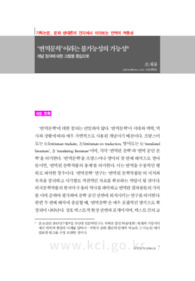
‘번역문학’이라는 불가능성의 가능성- 개념 정의에 대한 고찰을 중심으로 (‘Literary translation’ : the possibility of the impossible)

45 페이지
기타파일
최초등록일 2025.05.15 최종저작일 2016.02
45P 미리보기
‘번역문학’이라는 불가능성의 가능성- 개념 정의에 대한 고찰을 중심으로
  • 미리보기

    서지정보

    · 발행기관 : 부산대학교 인문학연구소
    · 수록지 정보 : 코기토 / 79권 / 7 ~ 51페이지
    · 저자명 : 조재룡

    초록

    ‘번역문학’에 대한 정의는 단일하지 않다. ‘번역문학’이 시대와 맥락, 역사와 상황에 따라 매우 가변적으로 사용된 개념이기 때문이다. 프랑스어로는 1) littérature traduite, 2) littérature en traduction, 영어로는 1) ‘translated literature’, 2) ‘translating literature’이며, 각각 ‘번역된 문학’과 ‘번역 중인 문학’을 의미한다. ‘번역문학’을 프랑스어나 영어의 첫 번째 해석으로 받아들이면, ‘번역된 문학작품의 총체’를 의미한다. 이는 번역을 수동적인 행위로 파악한 경우이다. ‘번역문학’ 연구는 ‘번역된 문학작품들’의 서지와 목록을 정리하고 시기별로 객관적인 자료를 확보하는 작업이 될 것이다. 외국문학작품의 한국어 수용의 역사를 파악하고 번역된 결과물들의 가치를 이에 준하여 평가하여 문학 공간 전반에 위치시키는 연구를 의미한다. 한편 두 번째 해석에 충실할 때, ‘번역문학’은 매우 포괄적인 방식으로 확장되어 나타난다. 상호 텍스트적 현상 전반과 포개어지며, 텍스트 간의 교류와 영향관계, 텍스트간의 차용과 인용, 모방과 패러디, 패스티쉬와 표절의 문제 전반으로 확장된다. ‘번역문학’을 구성하는 ‘번역’과 ‘문학’ 각각의 의미도 중층적이며 복합적이다. 번역을 단순한 언어코드의 전환으로 인식하는 경우, 번역문학은 첫 번째 해석과 조우한다. 한편 ‘번역문학’의 두 번째 해석은 번역을 지식의 혼종과 재배치, 착종과 교환, 고안과 창안을 주도하며 ‘지식-문화-언어를 재배치하는 주체’로 파악할 경우에 성립을 모색한다. ‘번역문학’이 번역을 통해 글쓰기 전반에 관여하는 인식론적 문제로 전환되는 것은 바로 이때이다. 본 논문은 번역이 언어-문화의 재배치와 탈중심을 도모하는 이론적ㆍ실천적ㆍ경험적ㆍ이데올로기적 행위라는 전제 하에, ‘번역문학’의 실현 가능한 세 가지 양상을 살펴보았다. 첫째 외국 문학작품과 유사한 주제를 주관적으로 실현하여, 원작의 특수성을 확장시켜 자기 작품의 고유성을 모색한 경우(프랑시스 퐁주의 시와 송승환의 시)이다. 둘째 다양한 외국작품을 차용했다고 밝히고서, ‘다시 쓰기’나 ‘다시 쓰기’를 가장한 ‘독창적 글쓰기’의 실천한 경우(카프카 등의 작가와 한유주)이며 상호 텍스트성에 관한 전반적인 문제를 제기한다. 세 번째, 번역이라는 주제를 감춘 상태에서, 비유를 통해 독자들이 독서를 통해 번역의 과정과 번역의 특징을 추정하게 만드는 경우(오은의 시)이다. ‘번역문학’은 오로지 번역의 형태로만 존재해온 수많은 현상들과 텍스트간의 사상적 교류의 흔적들을 찾아내고 분석하여 그 가치를 역사 속에 위치시킨다. ‘번역문학’은 상호 텍스트성 연구의 한 가능성이 며 아직 미지의 상태에 놓여 있다.

    영어초록

    There is not one single definition of literary translation; its definition varies highly according to the historical and cultural context, depending on circumstances. It is described either as "translated literature" or "translating literature," that is a literature in the process of being translated. As "translated literature," it refers to the "totality of translations of literary works," and translation is here identified as a passive act. The study of "literary translation" then sums up to the task of listing and arranging the translated literary works chronologically and objectively. It serves to assess the history of the reception of foreign literature in Korean, and to evaluate its position in the overall literary space. On the other hand, the second interpretation of literary translation as "translating literature" extends most comprehensively. It extends widely to the phenomenon of intertextuality, to the exchange/influence relations between texts, to the frontiers between imitation and parody, reaching to the issues of pastiche and plagiarism. The two terms, "translation" and "literature", that compose "literary translation", each have various and complex meanings. If, for instance, translation is understood as a mere switch of language code, literary translation meets its definition as "translated literature" we mentioned above. The other interpretation of literary translation, if it is understood as a "relocation of knowledge-culture-language", implies the exchange, hybridation and relocation of knowledge. And this is then that literary translation can be thought of as an epistemological question related to the act of writing through the act of translating. With the premise that translation is a theoretical, practical, experimental and ideological act aiming at relocating and decentralizing one culture-language, this paper analyzes three cases of realization of such "literary translations". First it takes the case of a text that adopts a subject similar to a foreign text and makes it an original and personal text by extending the specificity of the original work: the poetry of Song Seung-hwan confronted to the French poet Francis Ponge. The second case is that of an author who makes no secret of the foreign works she borrows from, raising both the issues of intertextuality and of the practice of "re-writing" as "creative writing": Han Yuju and Franz Kafka. In the third case, we see an author (poet Oh Eun) who, while hiding the subject of translation, leads the reader via metaphors to observe the process of translation and assess its characteristics. "Literary translation" searches and analyzes continuously the numerous phenomena that have existed only under the form of translation, and the traces of ideological exchanges between texts. It also helps place them within History. "Literary translation" is the possibility of intertextual researches and as such remains yet unknown.

    참고자료

    · 없음
  • 자주묻는질문의 답변을 확인해 주세요

    해피캠퍼스 FAQ 더보기

    꼭 알아주세요

    • 자료의 정보 및 내용의 진실성에 대하여 해피캠퍼스는 보증하지 않으며, 해당 정보 및 게시물 저작권과 기타 법적 책임은 자료 등록자에게 있습니다.
      자료 및 게시물 내용의 불법적 이용, 무단 전재∙배포는 금지되어 있습니다.
      저작권침해, 명예훼손 등 분쟁 요소 발견 시 고객센터의 저작권침해 신고센터를 이용해 주시기 바랍니다.
    • 해피캠퍼스는 구매자와 판매자 모두가 만족하는 서비스가 되도록 노력하고 있으며, 아래의 4가지 자료환불 조건을 꼭 확인해주시기 바랍니다.
      파일오류 중복자료 저작권 없음 설명과 실제 내용 불일치
      파일의 다운로드가 제대로 되지 않거나 파일형식에 맞는 프로그램으로 정상 작동하지 않는 경우 다른 자료와 70% 이상 내용이 일치하는 경우 (중복임을 확인할 수 있는 근거 필요함) 인터넷의 다른 사이트, 연구기관, 학교, 서적 등의 자료를 도용한 경우 자료의 설명과 실제 자료의 내용이 일치하지 않는 경우

“코기토”의 다른 논문도 확인해 보세요!

찾으시던 자료가 아닌가요?

지금 보는 자료와 연관되어 있어요!
왼쪽 화살표
오른쪽 화살표
문서 초안을 생성해주는 EasyAI
안녕하세요 해피캠퍼스의 20년의 운영 노하우를 이용하여 당신만의 초안을 만들어주는 EasyAI 입니다.
저는 아래와 같이 작업을 도와드립니다.
- 주제만 입력하면 AI가 방대한 정보를 재가공하여, 최적의 목차와 내용을 자동으로 만들어 드립니다.
- 장문의 콘텐츠를 쉽고 빠르게 작성해 드립니다.
- 스토어에서 무료 이용권를 계정별로 1회 발급 받을 수 있습니다. 지금 바로 체험해 보세요!
이런 주제들을 입력해 보세요.
- 유아에게 적합한 문학작품의 기준과 특성
- 한국인의 가치관 중에서 정신적 가치관을 이루는 것들을 문화적 문법으로 정리하고, 현대한국사회에서 일어나는 사건과 사고를 비교하여 자신의 의견으로 기술하세요
- 작별인사 독후감
해캠 AI 챗봇과 대화하기
챗봇으로 간편하게 상담해보세요.
2026년 01월 25일 일요일
AI 챗봇
안녕하세요. 해피캠퍼스 AI 챗봇입니다. 무엇이 궁금하신가요?
7:18 오전