• AI글쓰기 2.1 업데이트
PARTNER
검증된 파트너 제휴사 자료

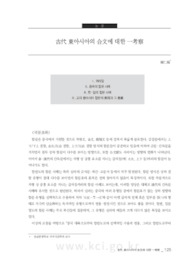
古代 東아시아의 合文에 대한 一考察 (A Study on the Sinographic Ligature in Ancient East Asia)

한국학술지에서 제공하는 국내 최고 수준의 학술 데이터베이스를 통해 다양한 논문과 학술지 정보를 만나보세요.
20 페이지
기타파일
최초등록일 2025.04.13 최종저작일 2015.06
20P 미리보기
古代 東아시아의 合文에 대한 一考察
  • 미리보기

    서지정보

    · 발행기관 : 한국목간학회
    · 수록지 정보 : 木簡과 文字 / 14호 / 125 ~ 144페이지
    · 저자명 : 권인한

    초록

    합문은 중국에서 기원한 것으로 甲骨文, 金文, 簡牘文 등에 걸쳐서 폭넓게 분포한다. 갑골문에서는 上下/下上 결합, 右左/左右 결합, 上下/左右 결합 방식의 합문들이 공존하고 있음에 비하여 금문·간독문을 거치면서 점차 상하 합문이 다수를 보이는 방향으로, 또한 合文號도 사라지는 방향의 변화가 나타난다. 이어서 秦·漢代의 간독문에서는 자형 상 공통 요소를 지니는 글자들(예: 大夫, 上下 등)끼리의 합문이 늘어나기도 한다.
    한반도의 합문 사례는 특히 신라의 금석문·목간·고문서 등에서 자주 발견된다. 합문 방식은 상하 결합 유형이 절대 다수를 보이면서 합문호의 흔적은 전혀 찾아지지 않음이 특징적이다. 또한 부분적으로 자형 상 공통 요소를 지니는 글자들끼리의 합문 사례도 보이는데, 이러한 양상은 대체로 漢代의 간독문 사례와 유사한 것으로 판단된다. 따라서 신라는 중국의 여러 유형들 중에서 합문호가 없는 상하 방향의 합문 유형을 선택적으로 수용하여 차차 ‘大豆→→太’와 같이 아랫 글자의 전체 혹은 일부를 점(ヽ)의 형태로 지극히 단순화하는 독자적인 유형으로까지 변용·발전시킨 것으로 보아도 좋을 것이다. 한편, 일본 열도의 합문 사례는 주로 목간들에 집중되며, 그 유형은 신라의 예들과 크게 다르지 않은 특징을 보이고 있다.
    이상의 고찰을 바탕으로 “중국 대륙으로부터 한반도로의 선택적인 수용과 변용, 그리고 한반도로부터 일본 열도로의 전파”라는 문자문화의 교류 양상을 다시금 확인할 수 있다는 것이 이 글의 결론이 된다

    영어초록

    As this paper is a case study on the interaction of Sinographic Culture in ancient East Asia, it focused on the data of Korean, Chinese, and Japanese ‘Ligature’. ‘Ligature’ means a way of writing a Chinese character to combine two or more sequent Chinese characters in the text vertically or horizontally.
    ‘Ligature’ was originally begun in China. It was found in various written texts throughout the ages such as “oracle bone scripts(甲骨文)” in the Shang Dynasty(=the Yin Dynasty), “bronze scripts(金文)” in the Zhou Dynasty and the warrior states period and “bamboo or wooden slip scripts(簡牘文)” in the Han Dynasty. The various forms of ‘Ligature’ co-existed in “oracle bone scripts”. That is to say that two characters were combined downward, upward, leftward or rightward. It is found that the forms of ‘Ligature’ were changed when reviewed ‘Ligature’ in “bronze scripts” and “bamboo or wooden slips scripts”. Gradually the form of combining two characters downward increased and ligative marking(合文號) got disappeared. In addition, the combination of two characters that have the shape of character in common, increased when investigating “bamboo or wooden slips scripts” in the Qin and Han Dynasty.
    The examples of ‘Ligature’ that were used in the Korean Peninsula are commonly found in epigraphs, wooden tablets, and ancient manuscripts in the Silla Dynasty. In these examples, the form that two characters combined downward got an absolute majority and it is distinctive that any trace of ligative marking was not found. In addition, partially the combination of two characters that have the shape of character in common, is found in some examples. These examples are regarded as similar cases of the form of ‘Ligature’ found in “bamboo or wooden slips scripts” in the Qin and Han Dynasty. As a result, the development of the ‘Ligature’ in the Silla Dynasty can be summarized as followings: among various forms of Chinese ‘Ligature’, the form that two characters combined downward without a ligative marker(e.g., 水+田→畓) was firstly accepted and then whole or part of the character of the lower part was simplified as a dot (ヽ) (e.g., 大豆→→太). Thus, it can be said that ‘Ligature’ used in the Silla Dynasty developed from simply using a form of Chinese ‘Ligature’ into creating a distinctive type of ‘Ligature’.
    Meanwhile, the examples of ‘Ligature’ in Japan are mostly found in “wooden tablets(木簡)”. They are not much different from the forms of ‘Ligature’ in the Silla Dynasty. Later some unique forms of ‘Ligature’ that combined a katakana(片仮名) and a Chinese character(e.g., ト+云→) were used but the examples of this form cannot be found many.
    As examining the data of ‘Ligature’ in ancient East Asia, this paper can reconfirm the fact that China, Korean and Japan carried out Sinograpic cultural exchange. People in the Korean Peninsula played roles of both recipients and messengers. In particular, “they selectively accepted Sinograpic culture of China and transformed them, and then delivered them to people in the Japanese Archipelago”.

    참고자료

    · 없음
  • 자주묻는질문의 답변을 확인해 주세요

    해피캠퍼스 FAQ 더보기

    꼭 알아주세요

    • 자료의 정보 및 내용의 진실성에 대하여 해피캠퍼스는 보증하지 않으며, 해당 정보 및 게시물 저작권과 기타 법적 책임은 자료 등록자에게 있습니다.
      자료 및 게시물 내용의 불법적 이용, 무단 전재∙배포는 금지되어 있습니다.
      저작권침해, 명예훼손 등 분쟁 요소 발견 시 고객센터의 저작권침해 신고센터를 이용해 주시기 바랍니다.
    • 해피캠퍼스는 구매자와 판매자 모두가 만족하는 서비스가 되도록 노력하고 있으며, 아래의 4가지 자료환불 조건을 꼭 확인해주시기 바랍니다.
      파일오류 중복자료 저작권 없음 설명과 실제 내용 불일치
      파일의 다운로드가 제대로 되지 않거나 파일형식에 맞는 프로그램으로 정상 작동하지 않는 경우 다른 자료와 70% 이상 내용이 일치하는 경우 (중복임을 확인할 수 있는 근거 필요함) 인터넷의 다른 사이트, 연구기관, 학교, 서적 등의 자료를 도용한 경우 자료의 설명과 실제 자료의 내용이 일치하지 않는 경우

“木簡과 文字”의 다른 논문도 확인해 보세요!

문서 초안을 생성해주는 EasyAI
안녕하세요 해피캠퍼스의 20년의 운영 노하우를 이용하여 당신만의 초안을 만들어주는 EasyAI 입니다.
저는 아래와 같이 작업을 도와드립니다.
- 주제만 입력하면 AI가 방대한 정보를 재가공하여, 최적의 목차와 내용을 자동으로 만들어 드립니다.
- 장문의 콘텐츠를 쉽고 빠르게 작성해 드립니다.
- 스토어에서 무료 이용권를 계정별로 1회 발급 받을 수 있습니다. 지금 바로 체험해 보세요!
이런 주제들을 입력해 보세요.
- 유아에게 적합한 문학작품의 기준과 특성
- 한국인의 가치관 중에서 정신적 가치관을 이루는 것들을 문화적 문법으로 정리하고, 현대한국사회에서 일어나는 사건과 사고를 비교하여 자신의 의견으로 기술하세요
- 작별인사 독후감
  • 전문가 요청 쿠폰 이벤트
  • 전문가요청 배너
해캠 AI 챗봇과 대화하기
챗봇으로 간편하게 상담해보세요.
2025년 12월 08일 월요일
AI 챗봇
안녕하세요. 해피캠퍼스 AI 챗봇입니다. 무엇이 궁금하신가요?
4:03 오전