-
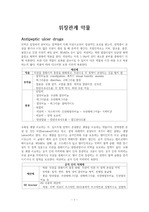
1. H2 receptor antagonist
H2 receptor antagonists are a class of drugs that work by blocking the action of histamine on H2 receptors in the stomach, which reduces the production of gastric acid. This can be effective in treating conditions like gastroesophageal reflux disease (GERD), peptic ulcers, and Zollinger-Ellison syndrome. H2 blockers are generally well-tolerated, with relatively mild side effects compared to other acid-reducing medications. However, they may not be as potent as proton pump inhibitors (PPIs) in reducing acid production. Additionally, long-term use of H2 blockers has been associated with an increased risk of certain adverse effects, such as vitamin B12 deficiency. Overall, H2 receptor antagonists remain a useful option in the management of acid-related gastrointestinal disorders, particularly for patients who cannot tolerate or do not respond well to PPIs.
-
2. Proton pump inhibitor
Proton pump inhibitors (PPIs) are a highly effective class of drugs for the treatment of acid-related gastrointestinal disorders, such as gastroesophageal reflux disease (GERD), peptic ulcers, and Zollinger-Ellison syndrome. PPIs work by inhibiting the proton pump, the final step in the production of gastric acid, leading to a more profound and sustained reduction in acid secretion compared to H2 receptor antagonists. PPIs are generally well-tolerated, with a relatively low incidence of side effects, and have become the mainstay of treatment for many acid-related conditions. However, long-term use of PPIs has been associated with an increased risk of certain adverse effects, such as an increased risk of fractures, vitamin and mineral deficiencies, and an increased risk of infections like Clostridium difficile. Additionally, there is some evidence that PPIs may be overprescribed, leading to unnecessary long-term use in some patients. Overall, PPIs remain a highly effective and widely used class of drugs for the management of acid-related gastrointestinal disorders, but their use should be carefully monitored and optimized to minimize the potential for adverse effects.
-
3. P-CAB (Potassium-competitive acid blocker)
P-CABs (Potassium-competitive acid blockers) are a relatively new class of acid-reducing medications that work by directly inhibiting the proton pump, similar to proton pump inhibitors (PPIs), but through a different mechanism of action. P-CABs are potassium-competitive, meaning they compete with potassium ions to bind to the proton pump, thereby inhibiting acid secretion. This mechanism of action allows P-CABs to provide a more rapid onset of action and potentially greater acid suppression compared to traditional PPIs. P-CABs have shown promising results in the treatment of acid-related gastrointestinal disorders, such as gastroesophageal reflux disease (GERD) and peptic ulcers. However, as a newer class of drugs, the long-term safety and efficacy of P-CABs are still being evaluated. Additionally, the cost and availability of P-CABs may be a consideration compared to more established acid-reducing medications. Overall, P-CABs represent an interesting and potentially valuable addition to the arsenal of treatments for acid-related gastrointestinal conditions, but their role and place in clinical practice will likely continue to evolve as more data becomes available.
-
4. Stress-related psychotropic drugs
Stress-related psychotropic drugs are a class of medications that can be used to manage the psychological and physiological effects of stress. These drugs can include antidepressants, anti-anxiety medications, and other psychoactive substances. The use of these drugs in the context of stress-related conditions, such as anxiety, depression, and post-traumatic stress disorder (PTSD), can be an important part of a comprehensive treatment approach. However, the use of these medications should be carefully considered and monitored, as they can have significant side effects and the potential for abuse or dependence. Additionally, the long-term effects of chronic stress and the use of psychotropic drugs to manage it are not fully understood. It is important to consider non-pharmacological interventions, such as therapy, stress management techniques, and lifestyle modifications, as part of a holistic approach to addressing stress-related issues. The decision to use stress-related psychotropic drugs should be made in consultation with a healthcare provider, taking into account the individual's specific needs and circumstances.
-
5. H. pylori eradication therapy
H. pylori eradication therapy is an important component in the management of various gastrointestinal conditions, such as peptic ulcers, gastritis, and gastric cancer. The goal of this therapy is to eliminate the H. pylori bacteria, which is a common cause of these conditions. Effective eradication of H. pylori can lead to the healing of ulcers, reduction of inflammation, and decreased risk of gastric cancer. The standard eradication therapy typically involves a combination of antibiotics, such as amoxicillin and clarithromycin, along with a proton pump inhibitor (PPI) or other acid-reducing medication. However, the increasing prevalence of antibiotic-resistant H. pylori strains has made eradication more challenging in some cases. Ongoing research is focused on developing new treatment regimens, including the use of alternative antibiotics, probiotics, and even novel non-antibiotic approaches, to improve eradication rates and overcome the issue of antibiotic resistance. Successful H. pylori eradication can have a significant impact on a patient's long-term gastrointestinal health, and the continued development of effective and tailored eradication therapies remains an important area of focus in gastroenterology.
-
6. Mucosal protective agents
Mucosal protective agents are a class of drugs that work to protect the lining of the gastrointestinal tract, particularly the stomach and esophagus, from the damaging effects of acid, bile, and other irritants. These agents can be used to treat conditions such as gastroesophageal reflux disease (GERD), peptic ulcers, and gastritis. Mucosal protective agents work through various mechanisms, such as forming a physical barrier, stimulating the production of protective mucus, or enhancing the regeneration of damaged epithelial cells. Examples of mucosal protective agents include sucralfate, bismuth compounds, and certain prostaglandin analogues. These agents can be used in combination with other acid-reducing medications, such as proton pump inhibitors (PPIs) or H2 receptor antagonists, to provide more comprehensive protection and healing of the gastrointestinal mucosa. The use of mucosal protective agents can be particularly beneficial for patients who are unable to tolerate or do not respond well to traditional acid-reducing therapies. However, the long-term efficacy and safety of these agents, as well as their optimal use in combination with other treatments, are still areas of ongoing research and clinical evaluation.
-
7. Prokinetics
Prokinetic agents are a class of drugs that work to improve gastrointestinal motility and function. These medications can be used to treat a variety of conditions, such as gastroesophageal reflux disease (GERD), gastroparesis, and functional gastrointestinal disorders. Prokinetics work by stimulating the contraction of the smooth muscle in the gastrointestinal tract, which can help to improve the movement of food and other contents through the digestive system. This can lead to improved symptoms, such as reduced reflux, improved gastric emptying, and better overall gastrointestinal function. Examples of prokinetic agents include metoclopramide, domperidone, and erythromycin. While prokinetics can be a valuable addition to the treatment of certain gastrointestinal conditions, their use is not without potential risks, such as neurological side effects or cardiac arrhythmias. Additionally, the long-term efficacy and safety of prokinetic agents are still being evaluated, and their use should be carefully considered and monitored by healthcare providers. Ongoing research is focused on developing newer, more targeted prokinetic agents with improved safety profiles to better meet the needs of patients with gastrointestinal motility disorders.
-
8. Antispasmodics
Antispasmodic agents are a class of drugs that work to relax the smooth muscle of the gastrointestinal tract, thereby reducing spasms and cramping. These medications can be used to treat a variety of conditions, such as irritable bowel syndrome (IBS), diverticular disease, and esophageal spasms. Antispasmodics work by blocking the action of acetylcholine, a neurotransmitter that stimulates smooth muscle contraction. Examples of antispasmodic agents include dicyclomine, hyoscyamine, and peppermint oil. While antispasmodics can provide relief from the symptoms of gastrointestinal spasms and cramps, their use is not without potential side effects, such as dry mouth, constipation, and drowsiness. Additionally, the long-term efficacy and safety of antispasmodic agents are still being evaluated, and their use should be carefully considered and monitored by healthcare providers. Ongoing research is focused on developing newer, more targeted antispasmodic agents with improved safety profiles to better meet the needs of patients with gastrointestinal motility disorders.
-
9. Gastrointestinal motility regulators
Gastrointestinal motility regulators are a diverse class of drugs that work to improve the overall function and movement of the digestive system. These medications can be used to treat a variety of conditions, such as constipation, diarrhea, gastroparesis, and other functional gastrointestinal disorders. Gastrointestinal motility regulators work through various mechanisms, such as stimulating or inhibiting the contraction of smooth muscle, modulating neurotransmitter activity, or altering the secretion of fluids. Examples of gastrointestinal motility regulators include laxatives, prokinetic agents, and serotonin receptor agonists or antagonists. The use of these medications can be an important part of a comprehensive treatment approach for patients with gastrointestinal motility disorders, but their use should be carefully considered and monitored due to the potential for side effects and drug interactions. Ongoing research is focused on developing newer, more targeted motility regulators with improved safety and efficacy profiles to better meet the needs of patients with complex gastrointestinal conditions.
-
10. Defoaming agents
Defoaming agents are a class of drugs used in the management of certain gastrointestinal conditions, particularly those involving the presence of excessive gas or foam in the digestive tract. These agents work by disrupting the surface tension of gas bubbles, allowing them to be more easily expelled or dispersed. Defoaming agents can be used to treat conditions such as bloating, flatulence, and gastroesophageal reflux disease (GERD), where the presence of excessive gas or foam can exacerbate symptoms. Examples of defoaming agents include simethicone and dimethicone. While defoaming agents are generally considered safe and well-tolerated, their long-term efficacy and potential for interactions with other medications are still being evaluated. Additionally, the underlying causes of excessive gas or foam production should be addressed, and the use of defoaming agents should be considered as part of a comprehensive treatment approach, rather than a standalone solution. Ongoing research may lead to the development of more targeted and effective defoaming agents to better manage gastrointestinal conditions involving gas and foam-related symptoms.


 본 문서(hwp)가 작성된 한글 프로그램 버전보다 낮은 한글 프로그램에서 열람할 경우 문서가 올바르게 표시되지 않을 수 있습니다.
이 경우에는 최신패치가 되어 있는 2010 이상 버전이나 한글뷰어에서 확인해 주시기 바랍니다.
본 문서(hwp)가 작성된 한글 프로그램 버전보다 낮은 한글 프로그램에서 열람할 경우 문서가 올바르게 표시되지 않을 수 있습니다.
이 경우에는 최신패치가 되어 있는 2010 이상 버전이나 한글뷰어에서 확인해 주시기 바랍니다.
















 한컴오피스
한컴오피스